All Categories
Featured
Table of Contents
Local search is altering much faster than a chameleon on a disco floor. By 2026, the video game's developed so much that what worked in 2023 is about as helpful as a chocolate teapot.
You'll learn the 6 most reliable ways to utilize directory listings for regional search supremacy, understand how Google's algorithms have actually moved, and discover practical strategies you can implement this week. No fluff, no theoryjust possible tactics that drive customers through your door. The regional search sector has transformed dramatically over the past couple of years.
Unlocking Regional Lead Growth through Modern ToolsHere's the important things: Google's algorithm now treats your GBP like a living, breathing entity. If it sits inactive for weeks, you're basically informing Google your organization has to do with as active as a sloth on a Sunday early morning. Fresh posts, updated pictures, and regular Q&A interactions signal vigor. Companies that post weekly on their Google Business Profile see 5x more views than those that post month-to-month.
Maximizing Results for Local Community Alliances
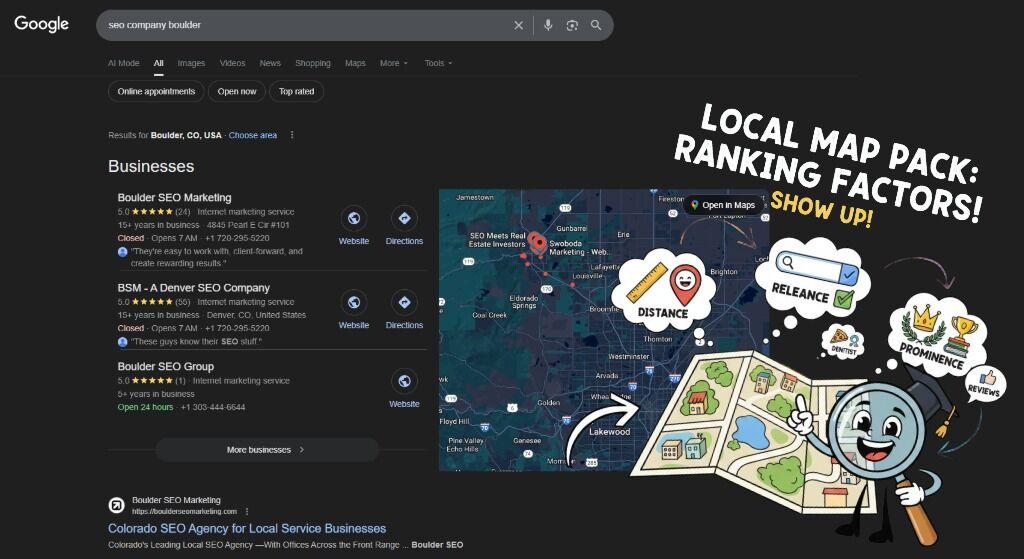
The distance factor has also gotten more nuanced. Google's algorithm now thinks about where the searcher is most likely heading, not simply where they're standing. If someone searches "coffeehouse" while driving, the algorithm predicts their path and surface areas companies along their likely path. Smart? Let me discuss what this implies for your directory site method.
The more constant these signals are throughout platforms, the more confident Google becomes about your legitimacy. Neural matching has changed how search engines comprehend questions.
Think about it like this: when someone searches "place to repair my cracked iPhone screen near me," Google does not just look for those exact words. It understands they're searching for a smart phone service center that services Apple items. Your directory listings need to reflect this semantic understanding. My experience with local services shows that the ones winning in 2026 are those writing naturally in their directory site descriptions.
The semantic web has actually likewise made entity relationships crucial. If your company is listed together with complementary services in directory sites, Google's understanding chart connects these dots.
Top Search Marketing Tricks for Growth
The desktop variation of your listing may too not exist. What does this mean practically? Your business descriptions need to be scannable on a 6-inch screen. Long paragraphs? Nobody's reading those on mobile. Bullet points, short sentences, and clear calls-to-action are your buddies. The first 120 characters of your description need to hook readers because that's all they see before the "find out more" button.
If you're listed on a directory site that loads slower than molasses in January, it really hurts your regional SEO rather than helping it. Individuals talk in a different way than they type, and your directory listings need to reflect this reality.
Your directory descriptions need to answer these natural language questions. Include FAQ-style content in your company descriptions where the directory site platform enables it.

Online and Physical Local Engagement Models
Record yourself discussing your services to a good friend. The words you naturally utilize? Those are your voice search keywords. Include them into your directory listings. Now, back to our subject. Citations are the backbone of local SEO, however not all citations are created equivalent. The architecture of how you build your citation profile figures out whether you control regional search or languish on page 3.
Google sees these as different companies. Based on my experience working with regional organizations, even small inconsistencies can tank your rankings. I've seen business drop out of the local pack totally due to the fact that they abbreviated their service name on some directories but spelled it out fully on others.

Latest Posts
Mastering Local SEO for Small Businesses
Can Your Brand's Local Strategy Win Today?
Why Regional Community Involvement Drives Revenue